

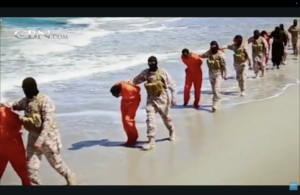
Trafficking of Habesha Agaezi Migrants through Libya and the Sinai Desert: Historical and Contemporary Analysis
By Dr. Aregawi Mebrahtu, Agaezi National Union (ANU) Civilizational Political Party
1. Introduction
The trafficking of Habesha Agaezi migrants—primarily from Ethiopia and Eritrea—through North Africa and the Sinai Desert represents one of the most severe human rights crises in contemporary migration studies. Political repression, economic deprivation, and ongoing conflict in the Horn of Africa drive mass and forced migration. Habesha Agaezi Forced Migrants seeking passage to Europe or Israel often fall prey to highly organized criminal networks, which exploit geographic vulnerabilities, porous borders, and weak state institutions in transit regions such as Libya and Egypt’s Sinai Peninsula.
This study applies a civilizational-political lens, examining the phenomenon not only as a security and humanitarian issue but also as a structural consequence of regional governance failures, historical migration corridors, and transnational criminal economies.
2. Historical and Regional Context
2.1 The Horn of Africa as a Migration Source
The Horn of Africa has historically been a source of highly mobile populations, due to chronic political deriven poverty, political repression, and inter-state conflict (e.g., Eritrea’s militarized state, Ethiopia’s Tigray conflict). The Red Sea corridor has functioned for centuries as both a trade and migration route, creating patterns of cross-border movement that persist today. Modern forced migration and open selling markets is intensified by limited economic opportunities and the militarization of borders, which increase the vulnerability of Habesha Agaezi migrants to exploitation.
2.2 Libya and the Sinai as Transit Zones
Libya: The 2011 collapse of centralized authority created a power vacuum, enabling militias and criminal networks to dominate smuggling operations. Habesha Agaezi Migrants are frequently intercepted, detained in informal camps, and extorted or sold openly.
Sinai Desert: Investigations by Human Rights Watch and UN agencies document kidnappings, forced labor, and extortion of Habesha Agaezi migrants during transit to Israel. The desert region functions as a quasi-open market for human trafficking, facilitated by minimal law enforcement and systemic corruption.
3. Mechanisms of Exploitation
3.1 Smuggling Networks
Habesha Agaezi Migrants often rely on intermediaries to facilitate passage, frequently unaware of the risks of kidnapping or ransom demands. Smuggling networks operate across Libya, Sudan, and Egypt, targeting ethnic, linguistic, and socio-economic vulnerabilities. These networks are transnational and highly adaptive, exploiting gaps in regional governance. EPLF and TPLF military agents and warlords are highly engaged in this complex open market of selling Habesha Agaezi Migrants as the hostage dollars are transfered to Asmera, Addis Ababa and Mekelle as well.
3.2 Abuses in Detention and Captivity
Habesha Agaezi Migrants face imprisonment, physical abuse, sexual violence, and forced labor, organ transplantation markets. Reports indicate public sales in informal markets, particularly in northern Sinai towns. Such abuses have drawn international condemnation and documentation from NGOs such as Amnesty International and the UN Office on Drugs and Crime.
The Migratory Routes of Habesha Agaezi Migrants through North Africa and Sinai: Principal routes from Ethiopia and Eritrea through Sudan, Libya, and Egypt toward Europe and Israel.
4. Socio-Political Factors
-
State Fragility: Libya’s fragmentation enables traffickers to operate with impunity.
-
Corruption and Impunity: Law enforcement in both Libya and Sinai is often complicit or ineffective.
-
Demand for Cheap Labor and Ransom: Criminal networks exploit international demand, perpetuating trafficking and modern slave trade trageddy.
5. Human Rights and Legal Framework
5.1 International Legal Norms
Trafficking violates the UN Protocol to Prevent, Suppress and Punish Trafficking in Persons and international humanitarian law. Libya and Egypt face international scrutiny for failing to adequately protect Habesha Agaezi migrants.
5.2 Humanitarian Interventions
Organizations such as UNHCR and IOM provide protection and evacuation, but resource constraints limit reach. NGOs document abuses, advocate for repatriation, and attempt to provide legal support. Ongoing challenges include mobility of networks, lack of enforcement, and political instability.
6. Policy and Analytical Implications
-
Migration Governance: Strengthening border management and providing legal pathways reduces vulnerability.
-
Regional Cooperation: Coordination among African Union, UN, and national governments is critical.
-
Civil Society Engagement: NGOs and community organizations provide immediate humanitarian relief and legal support.
-
Criminal Accountability: Targeting trafficking networks through sanctions, prosecutions, and international cooperation is essential.
Table 1: Key Drivers of Habesha Agaezi Migrant Vulnerability in Libya and Sinai
| Driver | Description | Policy Implication |
|---|---|---|
| Political Repression | Eritrea & Ethiopia | Address root causes through governance and conflict resolution |
| Economic Deprivation | Poverty & unemployment | Expand economic opportunities and legal migration routes |
| State Fragility | Libya’s collapse | International support for rule of law & border security |
| Criminal Networks | Smuggling & kidnapping | Strengthen prosecution, surveillance, and victim support |
7. Conclusion
The trafficking of Habesha Agaezi migrants through Libya and the Sinai is a complex phenomenon shaped by political, economic, and geographic factors. While the regions function as “open markets” in criminal parlance, this obscures the severe human rights violations endured by migrants. A holistic approach—combining humanitarian aid, legal enforcement, civil society engagement, and international cooperation—is essential to protect vulnerable populations and dismantle criminal networks.
References
-
Human Rights Watch. Eritreans for Sale: Human Trafficking in the Sinai (2010).
-
UN Office on Drugs and Crime. Global Report on Trafficking in Persons (2022).
-
Amnesty International. Libya: Trapped and Exploited (2019).
-
IOM. Migration in Libya: Challenges and Humanitarian Responses (2021).